We arrange fully integrated logistics solutions, combining several types of transport for optimal cargo delivery.
Multimodal transportation is the delivery of cargo to its destination by two or more modes of transport (for example, road and rail, or air and road) under a single contract. This method is especially convenient for cargo that cannot be delivered directly, or that is shipped over long distances and complex routes. AGL coordinates all modes of transport, controls loading and unloading, and guarantees door-to-door delivery to the customer.
We organise door-to-door delivery by sea, rail and road. Choose your route and we will build the best scheme and rate.
By sea from Indonesia and then by rail: raw materials, products and equipment.
From the Indian port of Mundra by sea and rail: industrial and consumer cargo.
From the port of Nhava Sheva (India): containers with equipment and goods, by sea and over land.
From China by sea and rail to Chirchik: equipment and materials.
Multimodal delivery from Canada: equipment and industrial cargo with unified documentation.
From one of the largest Chinese ports: containers by sea and then by rail.
From Europe via the port of Hamburg: by sea, rail and road to your door.
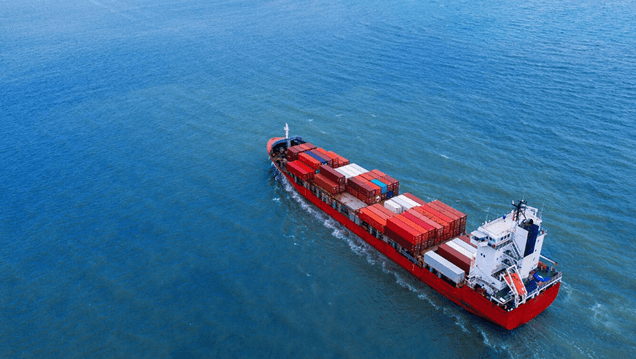
Your choice depends on your delivery priorities: speed, cost, and cargo specifics.
Road + Air — If Speed is Critical
This combination is ideal for urgent or valuable goods. It's often used for delivery to or from airports in countries without direct flights.
Average total speed: 2–7 days
Cost: Higher, but it's offset by faster product turnover.
Suitable for: Electronics, spare parts, pharmaceuticals, samples, urgent deliveries.
Road + Sea Transport — If Savings are Key
This is an excellent option for heavy or bulky cargo that isn't time-sensitive. Road transport serves as the "first and last mile" – delivering to and from ports.
Average total duration: 20–45 days
Cost: Significantly lower than air freight.
Suitable for: Equipment, furniture, textiles, mass-produced goods, long-term supplies.
Our Recommendation
We'll help you select the optimal scheme based on your:
Budget
Delivery timeframe
Cargo characteristics (temperature, packaging, urgency)
Multimodal routes combining Road + Rail + Sea/Air are also available if you need flexibility and a balance of price and speed.
Certain categories of goods are not allowed for multimodal routes or require special approval and documentation:
Prohibited Cargo:
Explosive substances and materials (ADR Class 1)
Radioactive substances
Flammable gases and liquids (without special permission)
Poisonous and toxic substances (without prior agreement)
Uncontrolled biological materials
Live animals (except in specific cases with strict adherence to transport regulations)
Liquid bulk cargo and loose bulk materials without specialized packaging
Cargo exceeding container dimensions without special permits (oversized)
Goods prohibited by the laws of transit and destination countries
Special Requirements and Approvals:
Dangerous goods (ADR Classes 2-9) can only be transported with strict adherence to regulations and all necessary permits.
Perishable goods require the use of refrigerated containers and specific temperature control.
Valuable and fragile goods may require additional insurance and security measures.
Important: Before shipping, always consult with our specialist to confirm if your cargo can be transported via multimodal means.
The storage duration for cargo in transit zones depends on the contract type and specific transport conditions.
Typically, the storage interval ranges from a few hours to 3–5 business days. If longer storage is required, this must be discussed and arranged separately, incurring additional terms and costs.
Cargo Security and Protection:
All storage areas at our warehouses and terminals are equipped with video surveillance and security systems.
Cargo is under 24/7 monitoring and physical security.
Security systems, access control, and electronic tracking are utilized.
If needed, we can arrange enhanced security or escort services.
All responsibility for the cargo's safety and storage conditions is stipulated in the contract.
We strive to minimize storage time to ensure your cargo moves as quickly as possible along its route and is delivered promptly.